
PerformanceSeptember 29, 20265 min read
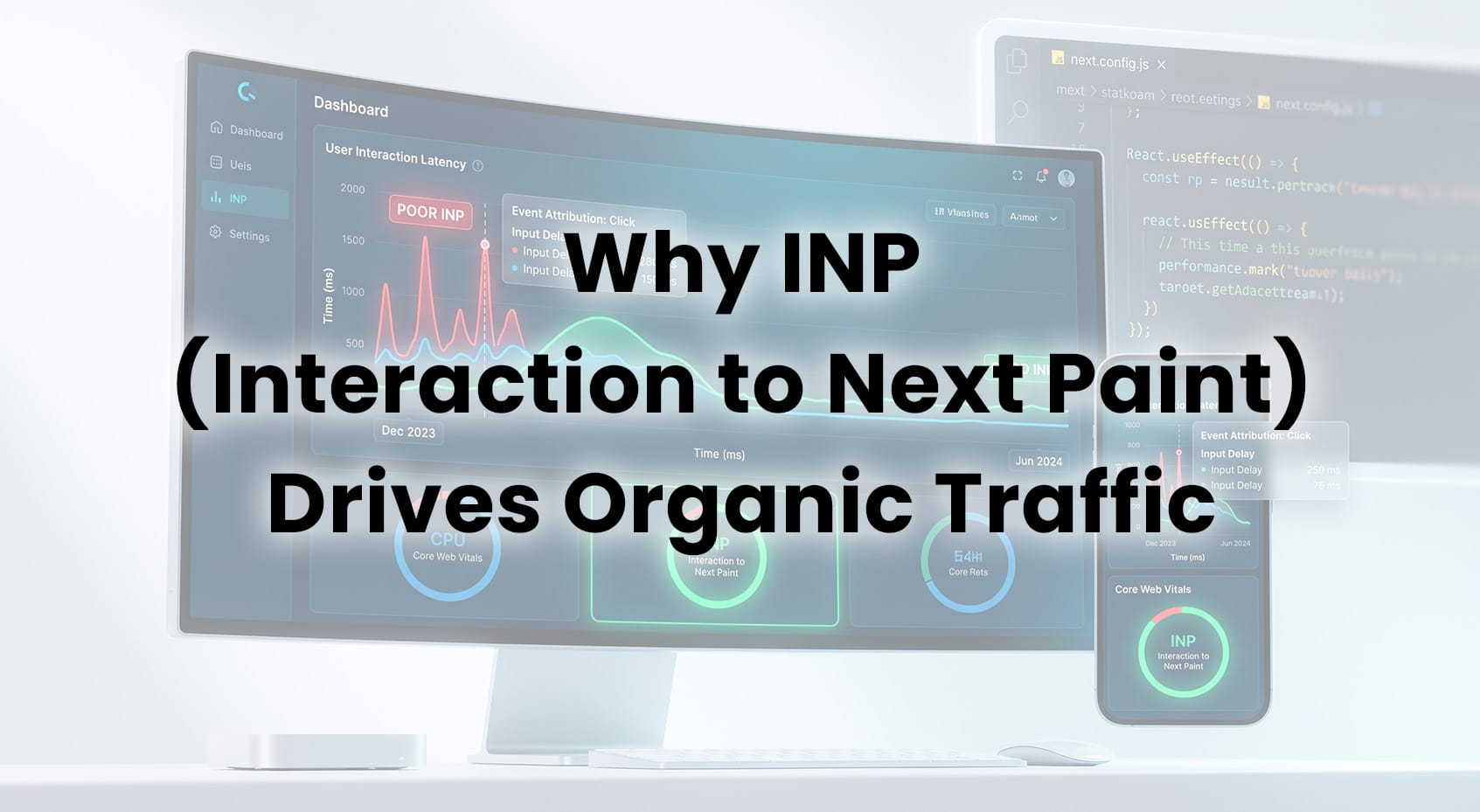
INP Is the Hidden Key to Retaining Organic Traffic
Improve INP to keep users from bouncing and protect SEO. See how Interaction to Next Paint impacts Core Web Vitals, with Next.js fixes to improve INP score.

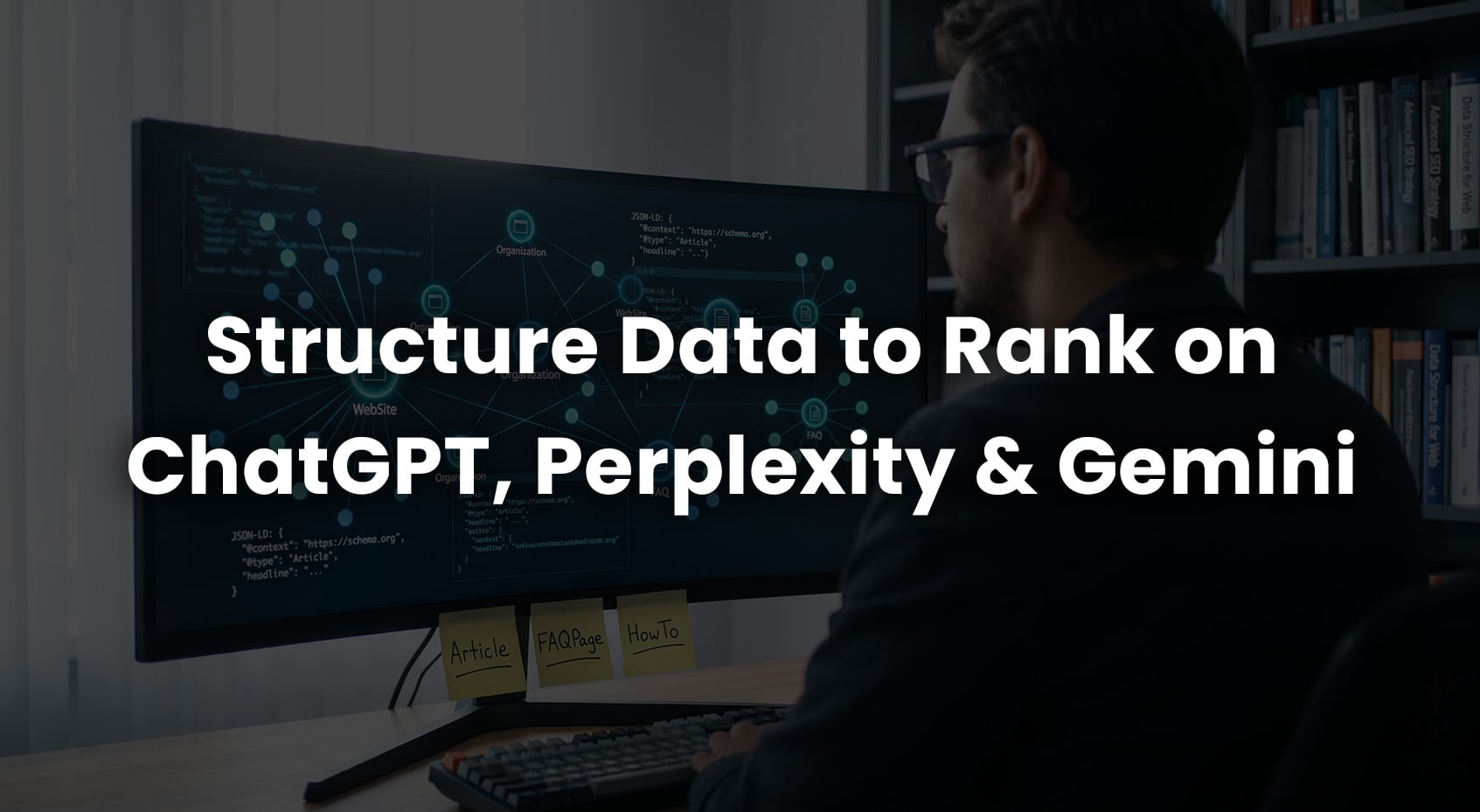
Search is shifting to answers. Perplexity and Google’s Gemini-driven experiences assemble concise responses and cite sources. If your content isn’t easy to parse, attribute, and quote, you’ll be invisible in zero-click moments. This guide gives you a practical AEO playbook for 2026—how to structure data, write answer-ready content, and improve your chance to be cited and clicked.
Answer engines prioritize clarity, structure, and verifiability. They pull short, well-structured passages, validate them against markup and links, then display a synthesized answer with citations. Your job is to make your pages:
We’ll call this the AEO Data Stack. Implement it and you improve your odds to rank on Perplexity AI and gain Gemini search visibility.
| Layer | Goal | What to Implement | Why It Matters |
|---|---|---|---|
| Crawlable | Allow bots to fetch | Robots.txt, sitemap, fast HTML, no gated basics | No access = no answers. Ensure bots see core content. |
| Parseable | Make structure obvious | H1–H3 hierarchy, lists, tables, clean semantic HTML | Engines extract passages and lists quickly. |
| Attributable | Establish identity & authorship | Organization, WebSite, Person schema; author bios; citations | Answer engines prefer named, accountable sources. |
| Answerable | Provide a direct answer | TL;DR box; 1–3 sentence definition; FAQs | Passage ranking improves when the answer is concise. |
| Verifiable | Support with evidence | Outbound links to primary sources; ClaimReview where applicable | Consistent facts reduce hallucination risk; engines reward reliability. |
| Actionable | Help users continue | HowTo, Product/Service schema, internal links, CTAs | Increases engagement and downstream clicks from zero-click answers. |
Answer engines need to know who’s speaking. Build a consistent schema graph across your site with stable @id URLs and sameAs references. Keep details (logo, legal name, social profiles) accurate and consistent.
How to Fix It: Add a global JSON-LD on all pages that ties your WebSite, Organization, and core authors together.
{@context: "https://schema.org", @graph: [ { @type: "Organization", @id: "https://example.com/#org", name: "Example Inc.", url: "https://example.com/", logo: { @type: "ImageObject", url: "https://example.com/logo.png" }, sameAs: [ "https://www.linkedin.com/company/example", "https://x.com/example" ], contactPoint: [{ @type: "ContactPoint", contactType: "customer service", email: "[email protected]" }] }, { @type: "WebSite", @id: "https://example.com/#website", url: "https://example.com/", name: "Example", publisher: { @id: "https://example.com/#org" }, inLanguage: "en" }, { @type: "Person", @id: "https://example.com/#author-adeel", name: "Adeel Ahmed", url: "https://example.com/authors/adeel-ahmed", sameAs: ["https://www.linkedin.com/in/adeelahmed"] } ]}Perplexity and Gemini prefer passages that answer a query in the first 100–200 words, followed by supporting details. Use headings that mirror the question and a short, clear definition or checklist.
How to Fix It: Place a “Quick Answer” box at the top of key pages. Keep it factual and neutral so it’s quotable and safe to cite.
Implement schemas that describe the page type and its facts. Keep the content and markup aligned—misalignment is a common reason for lost snippet eligibility.
{@context: "https://schema.org", @type: "Article", @id: "https://example.com/seo/aeo-2026#article", headline: "AEO (Answer Engine Optimization) for 2026", description: "How to structure data to rank in Perplexity and Gemini.", mainEntityOfPage: { @type: "WebPage", @id: "https://example.com/seo/aeo-2026" }, author: { @id: "https://example.com/#author-adeel" }, publisher: { @id: "https://example.com/#org" }, datePublished: "2026-01-20", dateModified: "2026-01-20", inLanguage: "en", about: [{ @type: "Thing", name: "Answer engine optimization" }], mentions: [ { @type: "Thing", name: "Perplexity AI" }, { @type: "Thing", name: "Google Gemini" } ], citation: [ "https://schema.org/", "https://developers.google.com/search/docs/appearance/structured-data" ]}{@context: "https://schema.org", @type: "FAQPage", mainEntity: [ { @type: "Question", name: "How do I rank on Perplexity AI?", acceptedAnswer: { @type: "Answer", text: "Provide concise, cited passages, consistent schema, and accessible pages. Use FAQs and tables to make extraction easy." } }, { @type: "Question", name: "What schema improves Gemini visibility?", acceptedAnswer: { @type: "Answer", text: "Accurate Article/HowTo/FAQ schema tied to clear headings and verifiable sources. Keep content and markup aligned." } } ]}{@context: "https://schema.org", @type: "HowTo", name: "Implement AEO Schema Graph", step: [ { @type: "HowToStep", name: "Add Organization + WebSite", text: "Create global JSON-LD with stable @id URIs." }, { @type: "HowToStep", name: "Mark Article", text: "Include headline, description, author, date, about, mentions, citation." }, { @type: "HowToStep", name: "Add FAQ", text: "Answer common follow-ups directly and concisely." } ]}Engines favor sources that back up claims with links to primary research, standards, and docs. If you publish statistics or assert facts, cite them in-body and in schema.
How to Fix It: Add outbound citations next to claims and mirror them in citation within your Article schema. For fact checks or definitions, consider ClaimReview when appropriate and policy-compliant.
Example sitemap entry:
https://example.com/seo/aeo-2026 2026-01-20 monthly 0.8
Perplexity and Google rely on access through standard crawling. If you want to appear in answer experiences, don’t block primary bots.
How to Fix It: Keep robots.txt inclusive. Example:
User-agent: * Allow: / Sitemap: https://example.com/sitemap.xml # Major search + AI-related agents (update as policies evolve) User-agent: Googlebot Allow: / User-agent: PerplexityBot Allow: / # Controls Google’s AI training (does not control crawling or remove pages from AI Overviews) User-agent: Google-Extended Allow: /
Note: Policies and user-agents evolve. Review current documentation before changing access.
Users may get their answer without clicking, but you can still win visibility, trust, and downstream traffic.
How to Fix It: Build a lightweight weekly spreadsheet: query, sources cited, your presence (Y/N), notes on the quoted passage, and tasks to improve.
Answer engines will increasingly connect answers to actions—booking, purchasing, or deploying code. Structured data that clearly describes products, services, pricing, eligibility, and steps will matter more. Expect tighter alignment between identity (who), provenance (source), and outcome (what users can do next).
Keep your schema graphs stable, content concise, and evidence strong. As engines evolve, the sites that are easiest to parse, verify, and cite will dominate zero-click search optimization.
Answer engine optimization (AEO) is the practice of structuring content and data so AI-driven systems like Perplexity and Gemini can extract, verify, and attribute concise answers, often resulting in citations and zero-click visibility.
Provide answer-first passages, use accurate Article/FAQ schema with stable @id, cite authoritative sources near claims, keep pages crawlable for PerplexityBot, and present information in lists and tables for easy extraction.
Start with Organization, WebSite, and Article. Add FAQPage and HowTo where relevant. Ensure markup matches visible content, include author and dates, and use citation, about, and mentions to clarify entities.
No. Standard crawling is handled by Googlebot. Disallowing Google-Extended affects certain AI training uses but doesn’t remove your pages from AI Overviews. To avoid inclusion entirely, you’d need to use approaches like noindex, which also removes you from regular search.
If your pages are answer-first, well-cited, and cleanly marked up, you’ll earn citations and clicks even in zero-click environments. Start with the identity graph, rewrite priority pages with concise answers, align schema with visible content, and track your citation share weekly.
Looking to improve your visibility across search and AI? Explore my SEO, AEO and GEO services for technical audits, schema implementation, entity optimization, and answer-first content designed to improve visibility across Google, Perplexity, Gemini, and other AI search platforms.

IT & Business Enablement Leader
IT & Business Enablement Leader and Full Stack Developer with 15+ years of experience delivering scalable, high-performance digital solutions across Pakistan and the UAE. Specialising in React, Next.js, AI integrations, and workflow automation.
Improve INP to keep users from bouncing and protect SEO. See how Interaction to Next Paint impacts Core Web Vitals, with Next.js fixes to improve INP score.
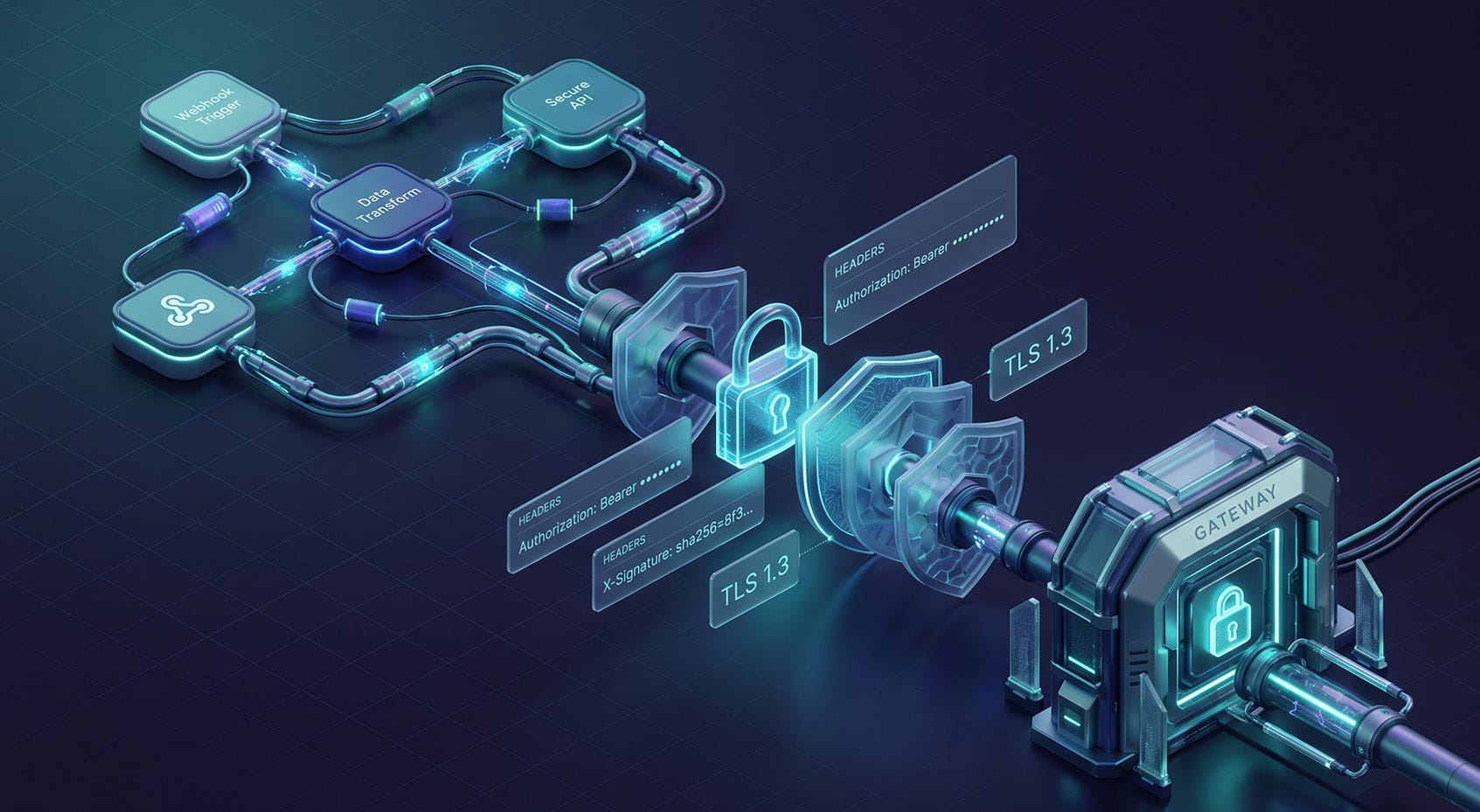
Lock down n8n webhooks and APIs with practical authentication, HMAC/JWT checks, mTLS, rate limits, and secure credential handling. Step-by-step guides inside.